How to Register a Tech Startup: Legal and Financial Considerations
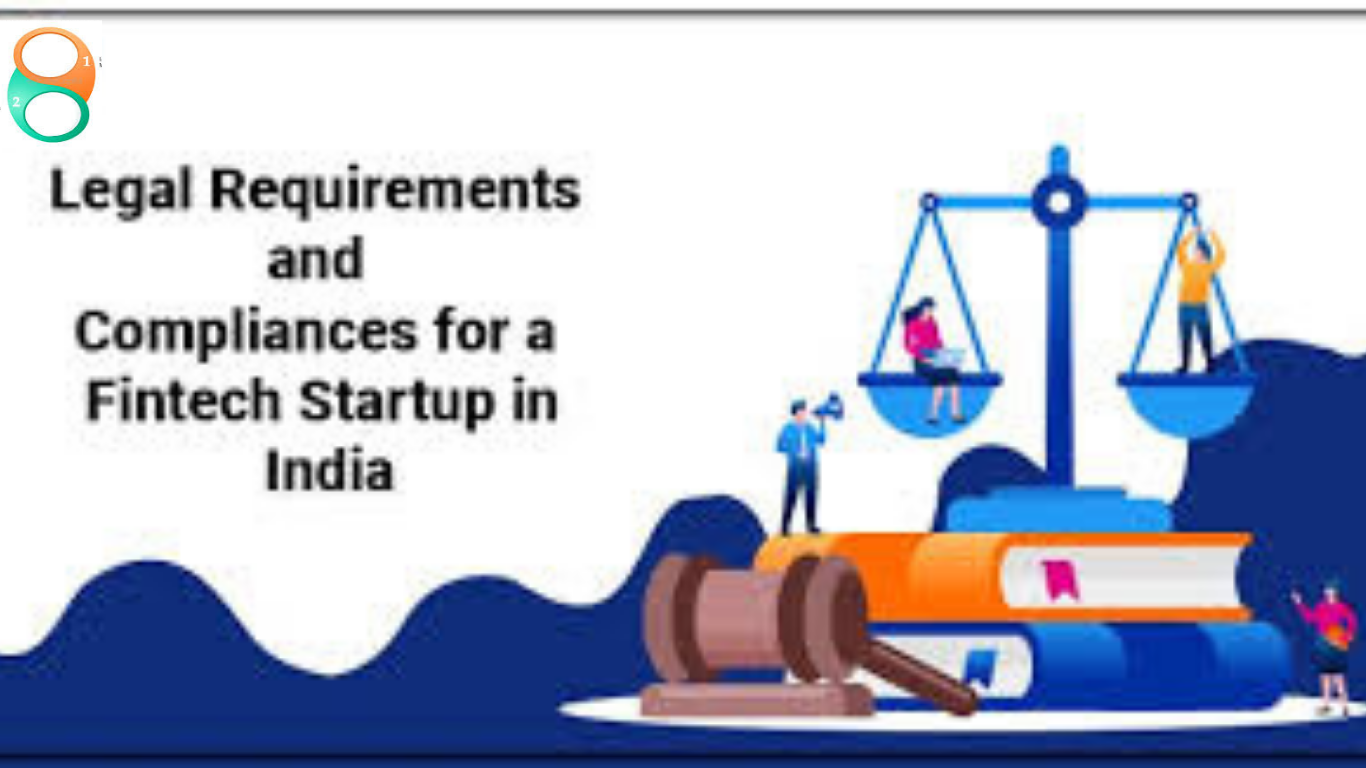
Registering a tech startup involves multiple legal and financial considerations that lay the foundation for growth, funding, and compliance. Here's a step-by-step guide covering both legal and financial aspects of startup registration, especially suited for the U.S. or similar jurisdictions:
🧾 LEGAL CONSIDERATIONS
1. Choose the Right Business Structure
Sole Proprietorship – Easiest to form but offers no liability protection.
LLC (Limited Liability Company) – Offers personal liability protection, flexible taxation.
C-Corporation – Preferred by venture capitalists; ideal for tech startups seeking funding.
S-Corporation – Pass-through taxation; suitable for smaller startups.
Recommendation for Tech Startups:
➡️ Delaware C-Corp is the most preferred for VC-backed startups due to investor familiarity and legal protections.
2. Register the Business Entity
Choose a unique business name.
File formation documents (e.g., Articles of Incorporation) with the Secretary of State.
Obtain an EIN (Employer Identification Number) from the IRS.
Register with state and local authorities (e.g., for business licenses, sales tax permits).
3. Draft Founders’ Agreements
Outlines roles, responsibilities, and equity ownership among founders:
Equity split
Vesting schedule (e.g., 4-year with 1-year cliff)
IP assignment clause
Exit terms and conflict resolution
4. Protect Intellectual Property (IP)
File for a trademark (brand, logo).
File for patents (if tech is novel or patentable).
Secure copyrights (software, content).
Use NDAs and IP assignment agreements for employees and contractors.
5. Comply With Employment Laws
Draft employment contracts and offer letters.
Create company policies and an employee handbook.
Classify workers properly (W2 vs 1099).
Follow labor laws for wages, anti-discrimination, etc.
6. Get Required Licenses and Permits
Local business license
Industry-specific licenses (e.g., fintech or healthtech startups)
Import/export licenses if applicable
💰 FINANCIAL CONSIDERATIONS
1. Open a Business Bank Account
Required to keep personal and business finances separate.
Helps build business credit and prepare for audits/funding.
2. Set Up Accounting and Bookkeeping
Choose accounting software (QuickBooks, Xero).
Track income, expenses, assets, liabilities.
Hire a CPA familiar with startups.
3. Understand Your Tax Obligations
Federal and state income taxes
Self-employment taxes (if not incorporated)
Sales tax (if applicable)
Payroll taxes
4. Build a Financial Model
Revenue projections
Cost and burn rate
Customer acquisition cost (CAC) and lifetime value (LTV)
Break-even analysis
5. Raise Capital
Options include:
Bootstrapping
Angel investors
Venture Capital (VC)
Grants and accelerators
SAFE or Convertible Notes
Prepare:
Pitch deck
Business plan
Cap table
6. Obtain Insurance
General liability
Professional liability (errors & omissions)
Cyber liability
Workers’ compensation
✅ CHECKLIST SUMMARY
Task Legal Financial
Choose structure ✔️ ✔️
Incorporate business ✔️
Get EIN ✔️ ✔️
Open bank account ✔️
Draft founders’ agreement ✔️
Protect IP ✔️
Set up accounting ✔️
Understand taxes ✔️ ✔️
Create financial model ✔️
Fundraising prep ✔️ ✔️
Get business insurance ✔️ ✔️