Inventory Accounting Methods (FIFO, LIFO, Weighted Average)
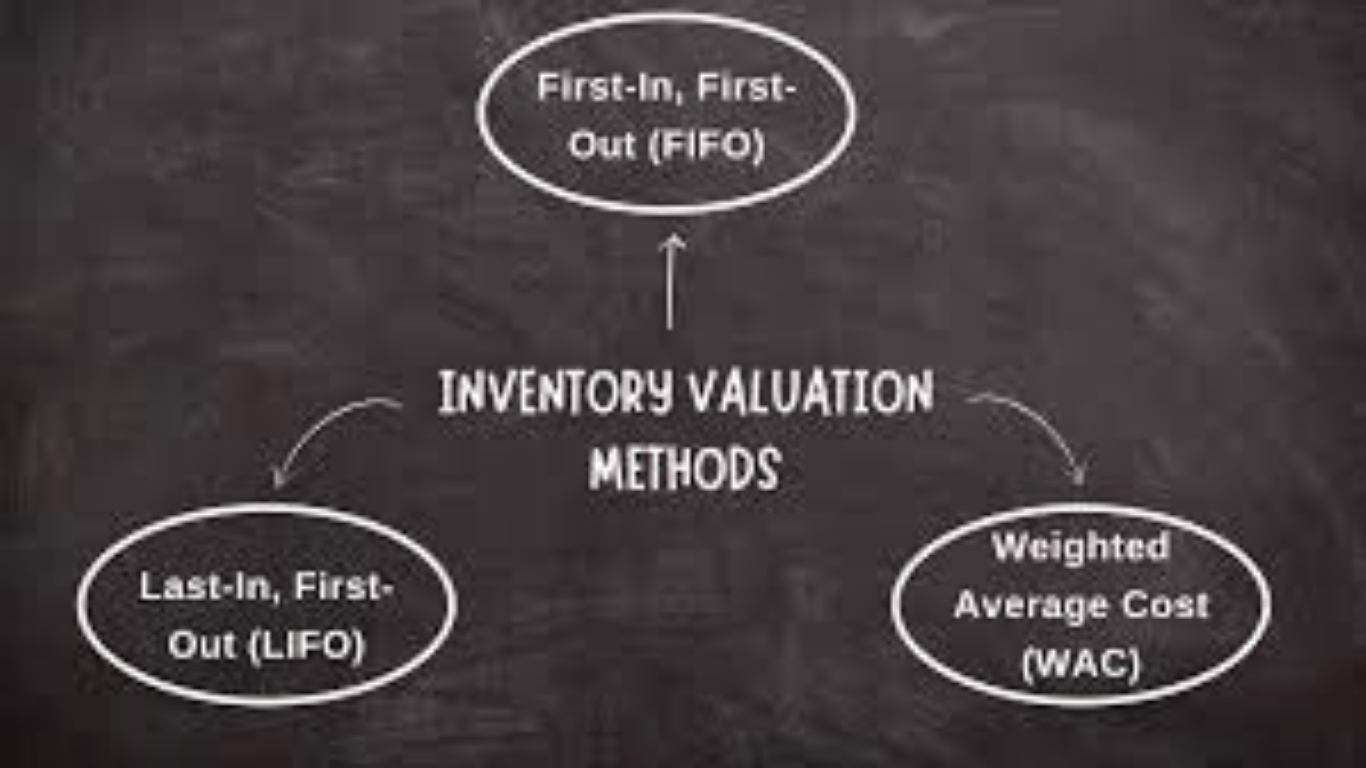
Inventory accounting methods determine how the cost of goods sold (COGS) and ending inventory are calculated. The three main methods are FIFO, LIFO, and Weighted Average Cost. Each has different implications for financial reporting and taxes.
1. FIFO (First-In, First-Out)
Concept:
The oldest inventory (first purchased) is sold first.
Formula:
COGS = Cost of oldest inventory items
Ending Inventory = Cost of most recent purchases
Example:
Purchases:
100 units @ ₹10
100 units @ ₹12
Sell 150 units → COGS = (100 × ₹10) + (50 × ₹12)
Advantages:
Ending inventory reflects current prices (more realistic balance sheet)
Preferred in periods of rising prices (lower COGS, higher profit)
Disadvantages:
Higher tax liability (due to higher profits)
Does not match current costs with current revenues
2. LIFO (Last-In, First-Out)
Concept:
The most recent inventory is sold first.
Formula:
COGS = Cost of most recent purchases
Ending Inventory = Cost of older inventory
Example:
Purchases:
100 units @ ₹10
100 units @ ₹12
Sell 150 units → COGS = (100 × ₹12) + (50 × ₹10)
Advantages:
Matches recent costs with revenues
Lower taxable income during inflation (due to higher COGS)
Disadvantages:
Ending inventory may be undervalued
Not allowed under IFRS (only used in U.S. GAAP)
3. Weighted Average Cost Method
Concept:
Average cost of all inventory is used to value both COGS and ending inventory.
Formula:
Average Cost per Unit = Total Cost of Inventory / Total Units
COGS = Units Sold × Average Cost
Ending Inventory = Units Remaining × Average Cost
Example:
Purchases:
100 units @ ₹10 = ₹1,000
100 units @ ₹12 = ₹1,200
Total = ₹2,200 for 200 units → Avg = ₹11 per unit
Sell 150 units → COGS = 150 × ₹11 = ₹1,650
Advantages:
Smoothens price fluctuations
Simple to apply
Disadvantages:
May not reflect actual cost flow
Less accurate in volatile price environments
Comparison Table
Method COGS Impact in Inflation Ending Inventory IFRS Allowed Tax Implications
FIFO Lower COGS → Higher profit High Yes Higher tax
LIFO Higher COGS → Lower profit Low No Lower tax
Weighted Avg Moderate COGS Moderate Yes Moderate impact