Cost Accounting Techniques in Manufacturing
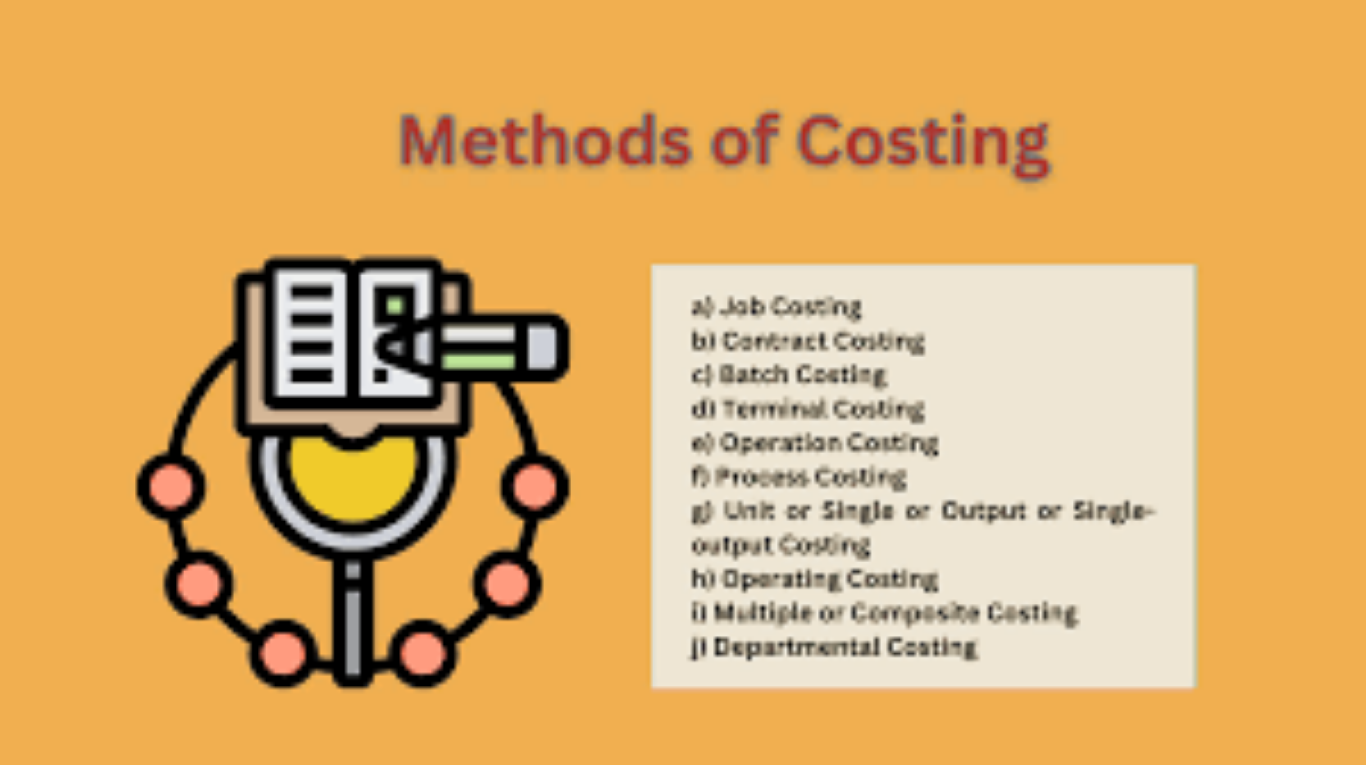
Cost Accounting Techniques in Manufacturing
Cost accounting in manufacturing involves tracking, recording, and analyzing costs associated with producing goods. The goal is to control expenses and enhance profitability.
🔧 1. Job Costing
Definition: Assigns costs to individual jobs or batches.
Used when: Products are customized or produced in small batches.
Example industries: Furniture manufacturing, printing, construction.
Key components:
Direct materials
Direct labor
Applied overhead
🏭 2. Process Costing
Definition: Averages costs over a large number of identical units.
Used when: Production is continuous and units are indistinguishable.
Example industries: Chemicals, cement, oil refining.
Features:
Costs are accumulated by department or process.
Uses equivalent units for WIP.
🧾 3. Standard Costing
Definition: Assigns predetermined costs (standards) to products.
Focus: Variance analysis (Standard Cost vs Actual Cost).
Helps in:
Budgeting
Performance evaluation
Cost control
⚙️ 4. Activity-Based Costing (ABC)
Definition: Allocates overhead based on actual activities that drive costs.
Improves: Accuracy in cost allocation.
Used when: Overhead is significant and not uniformly consumed.
Example drivers:
Machine hours
Number of setups
Inspection hours
🧮 5. Marginal Costing (Variable Costing)
Definition: Only variable costs are assigned to units; fixed costs are treated as period expenses.
Used for:
Decision-making (make or buy, pricing, break-even)
Contribution margin analysis
🧷 6. Absorption Costing (Full Costing)
Definition: Both fixed and variable manufacturing costs are assigned to products.
Required by: GAAP/IFRS for external reporting.
Includes:
Direct materials and labor
Variable and fixed factory overhead
🔄 7. Kaizen Costing
Definition: Continuous cost reduction throughout the product life cycle.
Philosophy: Small, ongoing improvements.
Popular in: Lean manufacturing, especially in Japan.
📉 8. Target Costing
Definition: Determines the maximum allowable cost based on market price and desired profit.
Approach: Market-driven, used in product design phase.
Formula:
Target Cost = Selling Price – Desired Profit
📊 9. Backflush Costing
Definition: Delays costing until production is complete; used in JIT systems.
Suitable for: High-speed, low-inventory production environments.
🧠 Conclusion:
Each technique suits different manufacturing setups. Most manufacturers use a mix of methods depending on:
Nature of products
Scale of production
Information needs
Cost structure